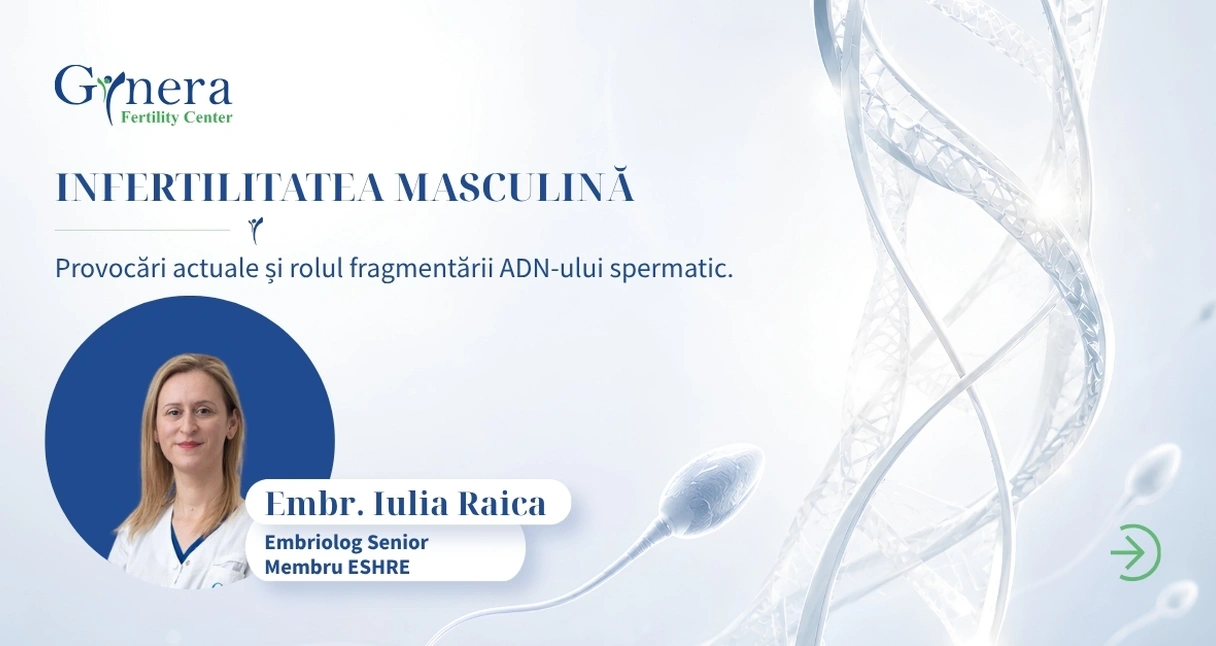
Normal spermogram results do not always rule out male infertility. In some cases, difficulties in achieving a pregnancy may be associated with impaired sperm DNA integrity, information that is not assessed through conventional semen analysis alone. Sperm DNA fragmentation testing may provide additional insights in cases of unexplained infertility, varicocele, recurrent pregnancy loss or repeated IVF/ICSI failure. Learn what sperm DNA fragmentation is, when testing may be recommended, and how it contributes to the modern evaluation of male infertility.
Male infertility is one of the major reproductive health challenges worldwide, contributing to approximately half of all cases of infertility in couples.
In recent years, research in andrology has shown that conventional semen analysis is not always sufficient to explain difficulties in achieving a pregnancy. As a result, increasing attention has been given to assessing sperm DNA integrity and to developing more advanced methods for the diagnosis and treatment of male infertility.
What Is Male Infertility?
Male infertility is defined as a man's inability to contribute to achieving a pregnancy after at least 12 months of regular, unprotected sexual intercourse.
Its causes are diverse and may include:
- hormonal disorders
- varicocele
- infections of the male reproductive tract
- genetic abnormalities
- obstruction of the seminal tract
- lifestyle-related factors
- exposure to toxins or radiation
- impaired sperm DNA integrity
In many cases, however, no clear cause can be identified. This is referred to as idiopathic male infertility.
Conventional Semen Analysis and Its Limitations
The standard assessment of male fertility is based primarily on semen analysis, which evaluates:
- sperm concentration
- sperm motility
- sperm morphology
- ejaculate volume
Although semen analysis remains an essential investigation, numerous studies have shown that some men with apparently normal semen parameters may still experience reduced fertility.
In these cases, sperm DNA damage may provide additional information that can help explain reproductive failure, recurrent pregnancy loss or poor outcomes following in vitro fertilization.
What Is Sperm DNA Fragmentation?
Sperm DNA fragmentation (SDF) refers to damage to the genetic material carried by sperm cells.
The integrity of sperm DNA is important for fertilization, embryo development and the establishment of a healthy pregnancy.
Recent research has associated elevated sperm DNA fragmentation with:
- reduced natural fertility
- lower success rates in assisted reproductive treatments
- an increased risk of miscarriage
- impaired embryo development
What Causes Sperm DNA Damage?
Several mechanisms and factors may contribute to sperm DNA damage.
Oxidative stress
Oxidative stress is considered one of the main mechanisms involved. Reactive oxygen species can damage both the sperm membrane and sperm DNA.
Defects in spermatogenesis
DNA damage may occur during the process through which sperm cells are produced and mature.
Infection and inflammation
Inflammatory processes and infections of the reproductive tract may increase the production of reactive oxygen species and contribute to oxidative stress.
Varicocele
Varicocele may increase testicular temperature and oxidative stress and is associated with impaired sperm quality in some men.
Advanced paternal age
Increasing age may be associated with greater sperm DNA damage.
Environmental and lifestyle factors
Smoking, obesity, alcohol and drug use, pollution and exposure to pesticides are among the factors that may negatively affect sperm quality and DNA integrity.
How Is Sperm DNA Fragmentation Tested?
Sperm DNA fragmentation tests provide information beyond that obtained from conventional semen analysis and may be useful in selected clinical situations.
Several methods are currently used to assess sperm DNA integrity, including:
- TUNEL assay
- SCSA (Sperm Chromatin Structure Assay)
- Comet assay
- SCD (Sperm Chromatin Dispersion) test
The results should always be interpreted in the context of the patient's complete clinical and reproductive history.
When Is Sperm DNA Fragmentation Testing Recommended?
According to current clinical recommendations, SDF testing may provide useful additional information in several clinical scenarios.
Varicocele
Varicocele is one of the most common treatable causes of male infertility. Studies have shown that men with varicocele frequently have elevated levels of sperm DNA fragmentation.
In appropriately selected patients, surgical treatment may reduce DNA damage and improve fertility parameters.
Unexplained infertility
When conventional fertility investigations do not identify a clear cause, sperm DNA fragmentation testing may reveal an additional factor that could contribute to infertility.
Recurrent pregnancy loss
Elevated sperm DNA fragmentation has been associated with recurrent pregnancy loss. The genetic integrity of the sperm cell is an important factor in normal embryo development.
Repeated IVF/ICSI failure
Couples who have experienced repeated unsuccessful assisted reproduction cycles may benefit, in selected cases, from assessment of sperm DNA fragmentation.
Exposure to risk factors
Testing may also be considered in men exposed to factors associated with impaired sperm quality, including:
- smoking
- obesity
- pollution
- pesticides
- radiation
- high temperatures
- oncological treatments
New Directions in the Diagnosis of Male Infertility
Artificial Intelligence and Semen Analysis
Artificial intelligence is increasingly being explored for automated sperm assessment, with the potential to reduce observer variability and support sperm selection for assisted reproductive procedures.
Advanced Genetic Testing
Modern genetic technologies can identify certain mutations and chromosomal abnormalities that may not be detected through conventional fertility investigations.
Genetic evaluation can be particularly relevant in severe male infertility and azoospermia.
Molecular Biomarkers
Researchers are investigating new biomarkers associated with male fertility, including microRNAs, proteins and epigenetic markers that may eventually help predict reproductive outcomes.
Selecting Sperm With Better DNA Integrity
Advanced sperm-selection methods have been developed for IVF/ICSI procedures with the aim of selecting spermatozoa with more favorable characteristics and potentially better genetic integrity. These include technologies such as ZyMōt and MACS.
Treatment of Male Infertility
The management of male infertility should be individualized and, whenever possible, directed towards its underlying cause.
Lifestyle Changes
Lifestyle interventions may contribute to improving sperm quality and reducing factors associated with sperm DNA damage. These may include:
- smoking cessation
- reducing alcohol consumption
- maintaining a healthy body weight
- regular moderate physical activity
- stress management
- adequate sleep
- avoiding excessive testicular heat exposure
Antioxidants
Because oxidative stress is an important mechanism involved in sperm DNA damage, antioxidants are frequently considered in male infertility management.
Evidence regarding their effectiveness remains variable, although some studies have reported improvements in sperm parameters and reductions in DNA fragmentation.
Varicocele Treatment
In appropriately selected patients, surgical correction of varicocele may improve semen parameters and sperm DNA integrity.
Assisted Reproductive Technologies
When conservative treatment is insufficient, assisted reproductive techniques may be considered, including:
- intrauterine insemination (IUI)
- in vitro fertilization (IVF)
- intracytoplasmic sperm injection (ICSI)
In selected severe cases, the use of sperm retrieved directly from the testis rather than ejaculated sperm may be considered as part of the reproductive strategy.
Future Perspectives
The future of male infertility diagnosis and treatment is likely to be increasingly shaped by personalized medicine.
The integration of artificial intelligence, genomics and molecular biomarkers may help clinicians identify underlying causes more precisely and select more individualized treatment strategies.
At the same time, ongoing research into sperm DNA protection and the reduction of oxidative stress may contribute to improving both natural and assisted reproductive outcomes.
Conclusions
Male infertility is a complex condition influenced by genetic, biological, environmental and lifestyle factors.
Conventional semen analysis remains a fundamental component of male fertility assessment. However, in selected clinical situations, sperm DNA fragmentation testing can provide additional information that conventional semen parameters alone may not reveal.
Emerging diagnostic technologies are opening new possibilities for identifying previously unexplained causes of male infertility and for developing increasingly personalized treatment strategies.
At the same time, prevention, lifestyle optimization and early evaluation remain important components of male reproductive health.
References
- Murat Gul, Giorgio Ivan Russo. Male Infertility: New Developments, Current Challenges and Future Directions.
- Andrabi SW, et al. Sperm DNA Fragmentation: Causes, Evaluation and Management in Male Infertility. Assisted Reprod. 2024.
- Chak-Lam Cho, Ashok Agarwal. Clinical Utility of Sperm DNA Fragmentation Testing: Practice Recommendations Based on Clinical Scenarios.
- World Health Organization. WHO Laboratory Manual for the Examination and Processing of Human Semen, 6th Edition.
- American Urological Association/American Society for Reproductive Medicine. AUA/ASRM Guideline.

Embr. Iulia Raica
ESHRE Member, OBBCBCSSR Member, Specialization: Fertility Center Kinderwunschzentrum GoldenessKreutz Private Clinic, Vienna, Austria; ESHRE Course Choosing and using embryos: novel approaches to embryo selection, Krakow, ESHRE PGT Consortium SeminarMale infertility
A condition in which male reproductive factors contribute to difficulties in achieving a pregnancy. Causes may include hormonal, genetic, anatomical, lifestyle or sperm-related factors.
Semen analysis (spermogram)
A laboratory examination used to assess male fertility by evaluating sperm concentration, motility and morphology, as well as semen volume.
Sperm DNA fragmentation (SDF)
Damage or breaks in the genetic material carried by sperm cells. Increased sperm DNA fragmentation may be associated with reduced fertility, impaired embryo development and a higher risk of reproductive failure.
Sperm DNA fragmentation test
A specialized laboratory test used to evaluate sperm DNA integrity. Common testing methods include TUNEL, SCSA, Comet assay and SCD.
Spermatogenesis
The biological process through which sperm cells are produced and mature in the testes. Abnormalities during spermatogenesis may affect sperm quality and DNA integrity.
Oxidative stress
An imbalance between reactive oxygen species and the body's antioxidant defenses. Excessive oxidative stress can damage sperm membranes and sperm DNA.
Varicocele
An enlargement of veins around the testicle that may increase testicular temperature and oxidative stress and, in some men, negatively affect sperm quality and fertility.
Azoospermia
The absence of sperm in the ejaculate. It is a severe form of male infertility that may require additional hormonal, genetic or urological evaluation.
ICSI (Intracytoplasmic Sperm Injection)
An assisted reproduction technique in which a single sperm cell is injected directly into an egg to achieve fertilization.
IVF (In Vitro Fertilization)
An assisted reproductive treatment in which eggs are fertilized with sperm in a laboratory before an embryo is transferred to the uterus.